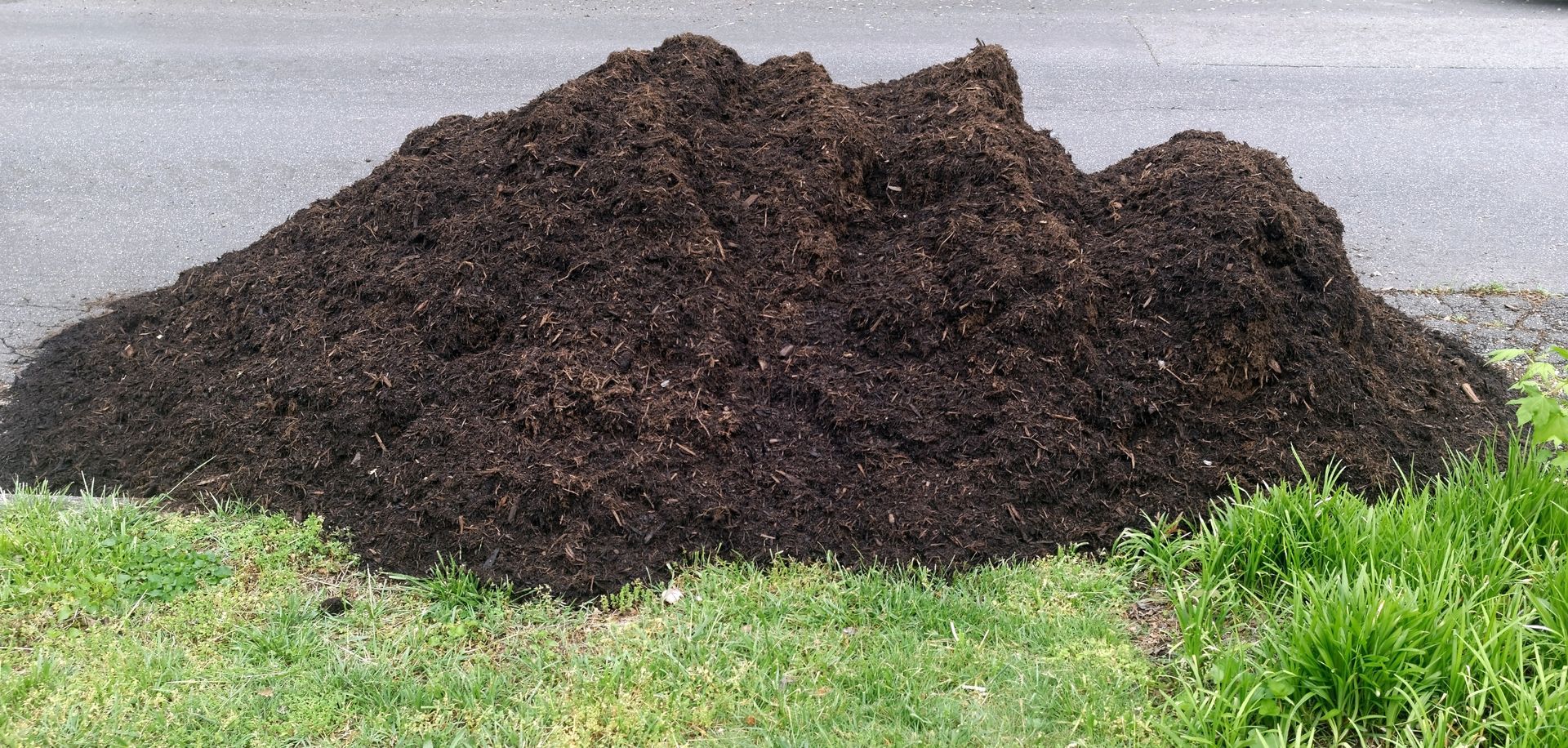
When most people think about mulching, they think of spring and summer—but in Central Texas, winter mulching is just as important, if not more so. Our region’s mild winters, sudden cold snaps, clay-heavy soils, and dry conditions create unique challenges for landscape beds. Applying mulch during the winter months is a simple step that delivers big benefits for plant health and long-term landscape success.
Protects Plants from Temperature Swings
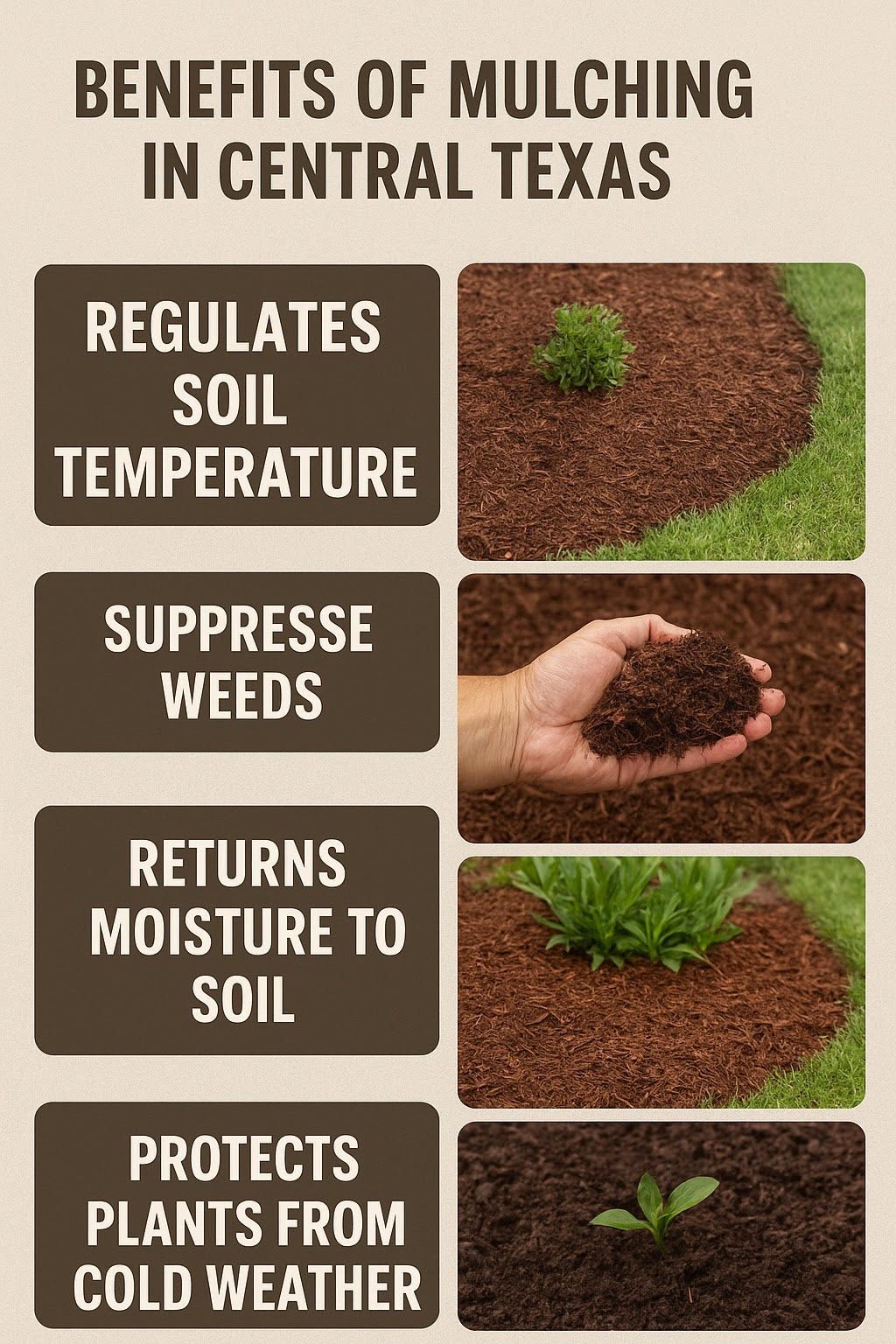
Central Texas winters are unpredictable. Warm afternoons can quickly turn into freezing nights, and these rapid temperature changes can stress plants and damage roots. Mulch acts as an insulating blanket, helping regulate soil temperature and protecting plant roots from sudden cold exposure.
Reduces Freeze Damage
While our winters are generally mild, hard freezes do happen. Mulch provides an extra layer of protection for shallow-rooted plants, perennials, shrubs, and newly installed landscaping. This insulation can mean the difference between a plant bouncing back in spring or suffering long-term damage.
Conserves Moisture During Dry Months
Winter in Central Texas is often dry, and plants still need moisture even when growth slows. Mulch helps retain soil moisture by reducing evaporation, which keeps plants healthier and reduces the need for frequent winter watering.
Improves Soil Health
Many Central Texas landscapes are built on heavy clay soils, which can compact easily and struggle with drainage. Organic mulches—such as hardwood, cedar, or pine bark—slowly break down over time, adding valuable organic matter to the soil. This improves soil structure, drainage, and nutrient availability, leading to stronger plants in the long run.
Suppresses Winter Weeds
Cool-season weeds like chickweed and henbit thrive in winter. Mulch blocks sunlight from reaching weed seeds, reducing germination and growth. Fewer winter weeds mean less competition for nutrients and a cleaner, more manageable landscape heading into spring.
Prepares Landscape Beds for Spring
Winter mulching sets your landscape up for success before spring arrives. By protecting plants and improving soil during the colder months, beds are already in great shape when temperatures rise—giving plants a healthy head start before the intense summer heat returns.
Best Practices for Winter Mulching
To get the most benefit from winter mulch in Central Texas:
- Apply 2–3 inches of organic mulch
- Keep mulch a few inches away from plant stems and tree trunks to prevent rot
- Refresh mulch in late fall or early winter
- Avoid over-mulching, which can trap excess moisture
Final Thoughts
In Central Texas, winter mulching is more than just a cosmetic touch—it’s a smart investment in plant health, soil quality, and long-term landscape performance. By protecting roots, conserving moisture, improving soil, and reducing weeds, winter mulch helps landscapes thrive year-round.
If you’re unsure whether your landscape beds are properly mulched or need a seasonal refresh, consulting a professional can help ensure your plants stay protected through winter and beyond.